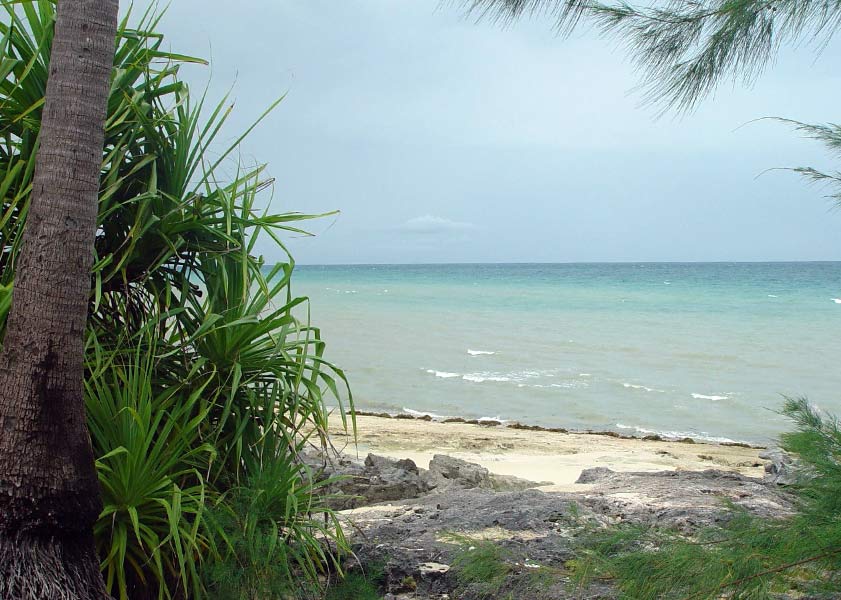
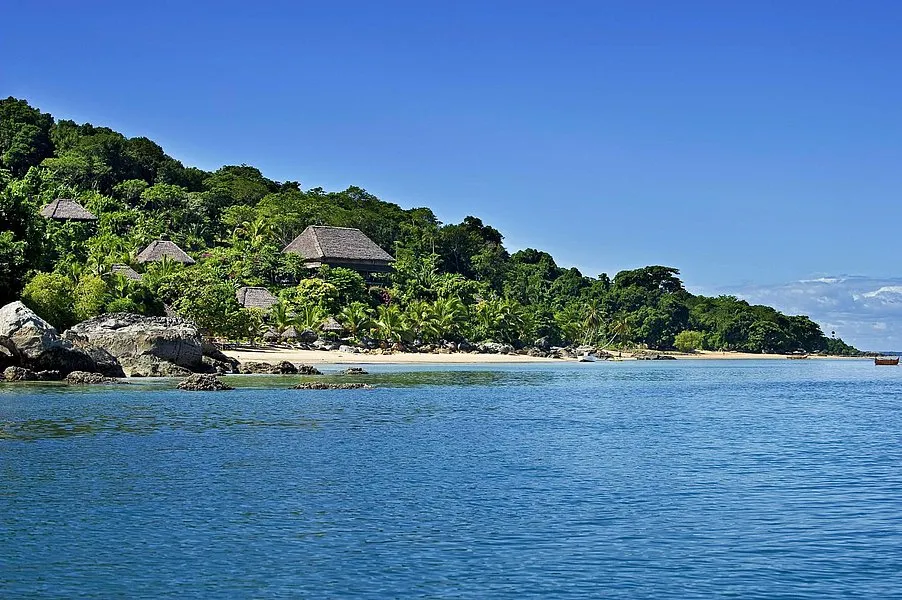
Clear water and coastal landscape in Zanzibar

Good to Know

Useful notes for planning your Zanzibar stay.

Arrival routes, travel seasons, ocean days, and nature highlights, adapted from the original ZanziHaven guide.

Zanzibar island coastline from above

Zanzibar Guide

Getting There

International Connections

Zanzibar is served by regular flights and charter flights from major European centers such as London, Frankfurt, and Paris. Abeid Amani Karume International Airport is the main entry point for most international arrivals. Travelers can also fly into Dar es Salaam on mainland Tanzania, then connect to Zanzibar with a short domestic flight of about 15 to 20 minutes.

Arriving by Boat

Ferry services from Dar es Salaam to Zanzibar offer a scenic route across the Indian Ocean. The crossing takes roughly two hours and gives guests a memorable first view of the coast.

Ground Transportation

Once on Zanzibar, guests can use taxis, private shuttles, and car rentals. Stone Town sits close to the airport and is a practical starting point for travel across the island, including Nungwi, Paje, Jambiani, and nearby boat-transfer points.

Easy Arrival Planning

Whether you arrive by international flight, domestic connection, or ferry, the island is straightforward to reach. The ZanziHaven team can help align transfers, arrival times, and stay plans so the journey feels simple from the start.

Clouds over turquoise Zanzibar water

Zanzibar Guide

Best Time to Travel

November to March: The Hot Season

This is Zanzibar at its warmest, with temperatures often reaching about 30 degrees Celsius. The kaskazi monsoon breeze helps keep beach days comfortable, and clear underwater visibility makes this a strong period for snorkeling, diving, and long ocean days.

June to October: The Cool Season

These months are slightly milder, with temperatures often around 25 degrees Celsius. It is a comfortable time for Stone Town walks, spice farm visits, Jozani Forest trips, and guests who prefer warmth without the highest heat.

Rainy Seasons

The long rains usually fall from April to mid-June and can bring heavier showers. Short rains are lighter and more occasional, often appearing around September and October. Plans can still work well, but outdoor activities should stay flexible.

Wildlife Notes

The cooler months are also appealing for dolphin trips in Menai Bay and birdwatching around protected areas. The best time ultimately depends on whether you prefer heat, calmer weather, water visibility, or quieter island movement.

Guests enjoying Zanzibar resort activities

Zanzibar Guide

Activities

Explore Chumbe Reef Sanctuary

Chumbe Reef Sanctuary is one of Zanzibar's best-known conservation areas, with rich coral gardens and hundreds of fish species. It is a strong choice for guests who want their ocean days to include both beauty and context.

Snorkeling Adventures

Guided snorkeling lets visitors experience clear water, reef life, and trained local knowledge in one outing. Equipment and beginner-friendly support are often available through operators, making it approachable even for first-time snorkelers.

Scuba Diving

Certified divers can explore deeper reef areas and neighboring dive sites, depending on conditions. Dive plans should be shaped around weather, tide, certification level, and the kind of marine life guests hope to see.

Relax and Rejuvenate

Not every day needs a schedule. Beach time, slow lunches, sunset moments, and quiet resort hours are part of the Zanzibar rhythm and can be combined with more active island experiences.

Lizard in Zanzibar forest landscape

Zanzibar Guide

Wildlife

Chumbe Forest Reserve

Chumbe Forest Reserve is known for a distinctive mix of reptiles, birds, crabs, and coastal forest life. Its protected setting gives visitors a chance to see a different side of Zanzibar beyond the beaches.

Guided Nature Trails

Forest trails are best explored with trained guides who can explain local plants, animal behavior, and conservation work. The walks reveal the quieter details that are easy to miss without local knowledge.

Fossilised Coral Landscapes

The island landscape includes fossilised coral formations and traces of ancient marine life. These details give Chumbe a rare geological character and make the forest feel closely connected to the reef.

Conservation Focus

Protected areas around Zanzibar support rare species and fragile habitats. Visiting with care helps preserve these places while giving guests a deeper understanding of the island's natural life.

Travel Support

Ask the team to shape the practical details around your stay.

Transfers, activities, meals, and timing can be discussed together before your booking is confirmed.

Plan Your Stay